 info@quickpillsstore.com
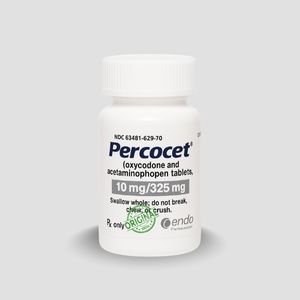
Percocet for Sale
Percocet is a prescription medication that is use to relieve moderate to severe pain. It contains a combination of two active ingredients: oxycodone, a potent opioid pain reliever, and acetaminophen, a non-opioid pain reliever. This combination works to provide effective pain relief with a lower risk of addiction and abuse compared to oxycodone alone. In this article, we will discuss the contraindications, side effects, mechanism of action, drug interactions, method of usage, and additional information about Percocet.
Contraindications:
Percocet should not be used in patients who have hypersensitivity to oxycodone, acetaminophen, or any of the other ingredients in the medication. It is also contraindicate in patients with severe respiratory depression, acute or severe bronchial asthma, and hypercarbia. Patients with a history of gastrointestinal obstruction or those who have received monoamine oxidase inhibitors (MAOIs) within the past 14 days should also avoid taking Percocet.
Side Effects:
Like all medications, Percocet can cause side effects. Common side effects include dizziness, drowsiness, constipation, nausea, vomiting, and dry mouth. Some patients may also experience itching, sweating, or a decrease in appetite. These side effects usually subside with continued use of the medication. However, patients who experience severe or persistent side effects should contact their healthcare provider immediately.
More serious side effects may also occur with Percocet use, such as respiratory depression, severe allergic reactions, or liver damage. Patients should seek medical attention immediately if they experience difficulty breathing, swelling of the face, lips, tongue or throat, or symptoms of liver damage such as dark urine, yellowing of the skin or eyes, or persistent abdominal pain.
Mechanism of Action:
Oxycodone, the opioid component in Percocet, binds to opioid receptors in the brain and spinal cord, reducing the transmission of pain signals to the brain. Acetaminophen, on the other hand, works by inhibiting the production of prostaglandins, chemicals that cause inflammation and pain. This dual mechanism of action provides more effective pain relief than either medication alone.
Drug Interactions:
Percocet may interact with other medications, causing potentially dangerous side effects. Patients should inform their healthcare provider of all medications they are taking, including prescription, over-the-counter, and herbal supplements. Percocet should not be used with other opioid medications, sedatives, hypnotics, or alcohol, as these combinations can increase the risk of respiratory depression and overdose.
Mechanism of Usage:
Percocet should be taken exactly as prescribe by a healthcare provider. The medication is typically taken every 4 to 6 hours as need for pain relief, with a maximum daily dose of 4 grams of acetaminophen. Patients should not exceed the recommended dose or take the medication for longer than prescribed, as this can increase the risk of addiction and dependence.

Reviews
There are no reviews yet.