 info@quickpillsstore.com
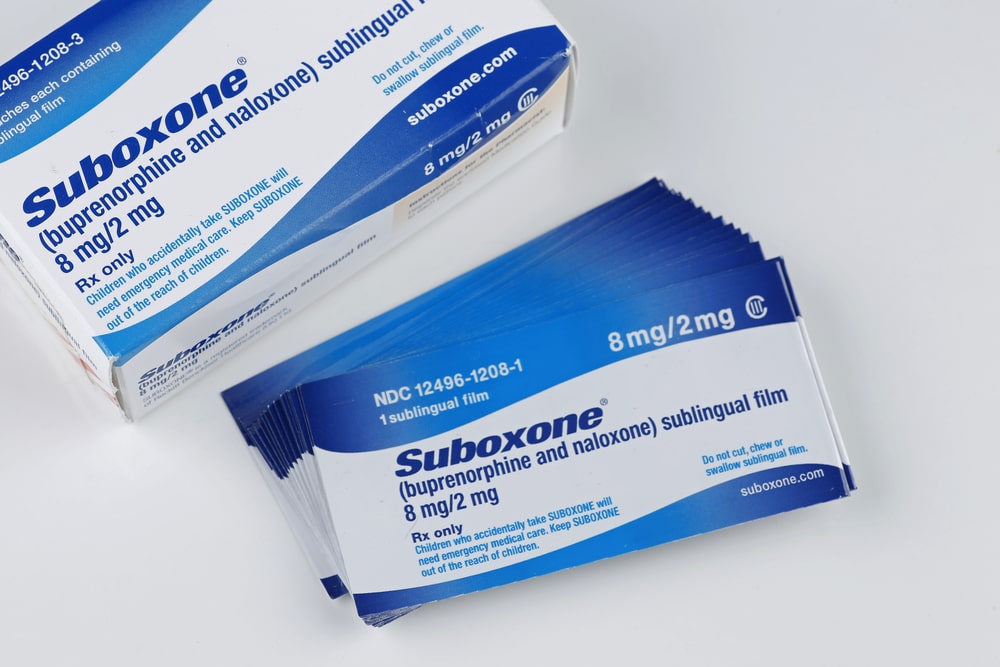
Suboxone: Uses, Benefits, Dosage, and Treatment Comparison Guide
What Is Suboxone?
Suboxone is a prescription medication used to treat opioid use disorder (OUD). It combines two active ingredients:
-
Buprenorphine – a partial opioid agonist that helps reduce cravings and withdrawal symptoms
-
Naloxone – an opioid antagonist that helps prevent misuse
Suboxone is commonly used as part of medication-assisted treatment (MAT) programs, which combine medication with counseling and behavioral therapy.
How Suboxone Works
The combination of buprenorphine and naloxone allows Suboxone to help patients manage withdrawal symptoms safely.
Buprenorphine
-
Activates opioid receptors in the brain at a lower level
-
Reduces cravings and withdrawal symptoms
-
Helps stabilize patients during recovery
-
Blocks opioid effects if the medication is misused
-
Helps discourage injection or improper use
This combination makes Suboxone a safer treatment option compared with some other opioid medications.
What Suboxone Is Used For
Doctors prescribe Suboxone primarily to treat opioid addiction. It may help patients:
-
Reduce opioid cravings
-
Prevent withdrawal symptoms
-
Stabilize during recovery
-
Support long-term addiction treatment
It is typically used alongside counseling or behavioral therapy programs.
Suboxone vs Other Opioid Treatment Medications.
vs Methadone
Methadone is another medication used to treat opioid addiction.
| Feature | Suboxone | Methadone |
|---|---|---|
| Type | Partial opioid agonist | Full opioid agonist |
| Risk of overdose | Lower | Higher |
| Availability | Office-based prescriptions | Usually specialized clinics |
| Withdrawal control | Strong | Very strong |
Suboxone is often preferred for outpatient treatment because it has a lower risk of overdose.
Suboxone vs Buprenorphine Alone
Buprenorphine can be prescribed by itself without naloxone.
| Feature | Suboxone | Buprenorphine |
|---|---|---|
| Contains naloxone | Yes | No |
| Misuse deterrent | Higher | Lower |
| Treatment use | Addiction treatment | Addiction treatment |
Suboxone’s naloxone component helps reduce the risk of misuse.
Suboxone Dosage and Administration
Suboxone is usually taken as a sublingual tablet or film, meaning it dissolves under the tongue.
General guidelines include:
-
Follow the exact dosage prescribed by your doctor
-
Take medication at the same time each day
-
Do not stop treatment suddenly without medical advice
Dosage may vary depending on the patient’s treatment stage and response.
Possible Side Effects
Like many medications, Suboxone may cause side effects.
Common side effects include:
-
headache
-
nausea
-
constipation
-
sweating
-
insomnia
More serious side effects can include breathing problems or allergic reactions. Always consult a healthcare provider if unusual symptoms occur.
Who Should Not Take Suboxone
Suboxone may not be suitable for people who:
-
have severe breathing problems
-
have certain liver conditions
-
are allergic to buprenorphine or naloxone
A healthcare professional should evaluate medical history before starting treatment.
Benefits of Suboxone Treatment
Suboxone has become one of the most widely used medications in opioid addiction treatment because it offers several advantages:
✔ Reduces opioid cravings
✔ Helps prevent withdrawal symptoms
✔ Lower overdose risk compared to some opioids
✔ Can be prescribed in office settings
When combined with therapy and support programs, it can significantly improve recovery outcomes.
Final Thoughts
Suboxone plays an important role in modern opioid addiction treatment. By combining Buprenorphine and Naloxone, it helps reduce cravings, prevent withdrawal symptoms, and support long-term recovery.
For individuals struggling with opioid dependence, medication-assisted treatment programs using Suboxone can be a critical step toward recovery and improved quality of life.

Reviews
There are no reviews yet.