 info@quickpillsstore.com
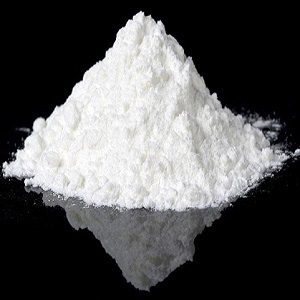
Powder Cocaine 96% Purity: What High Purity Really Means for Health, Risk, and Public Safety
Introduction
Powder Cocaine 96% purity sounds like a technical specification but in reality, it represents a serious public health concern. High purity levels dramatically increase potency, unpredictability, and overdose risk. In this article, we’ll explain what purity percentages actually mean, why they matter medically, how they affect communities, and what scientific research says about potency trends. By the end, you’ll have a clear, informed understanding of the risks and implications behind this term.
What Does “96% Purity” Actually Mean?
In forensic and laboratory terms, purity refers to how much of a seized sample consists of active cocaine versus adulterants or fillers.
A “96% purity” sample indicates extremely high concentration. This is typically seen closer to production sources rather than street-level distribution.
According to the United Nations Office on Drugs and Crime, monitoring drug purity helps governments and researchers track trafficking patterns and health risks globally.
Why High Purity Increases Risk
1️⃣ Stronger Immediate Effects
Higher purity means stronger stimulation of the central nervous system. This increases:
- Heart rate
- Blood pressure
- Risk of stroke
- Risk of cardiac arrest
The Centers for Disease Control and Prevention notes that stimulant-related overdoses have risen significantly in recent years, often linked to high-potency substances.
2️⃣ Increased Overdose Potential
Users often cannot accurately judge potency. A dose that feels manageable at lower purity can become life-threatening at higher purity.
The European Monitoring Centre for Drugs and Drug Addiction regularly reports that spikes in purity often correlate with increased emergency room visits.
Public Health and Community Impact
When high-purity cocaine enters a region, hospitals and treatment centers often see immediate effects.
Communities experience:
- Increased addiction cases
- Higher emergency response demand
- Greater strain on public health resources
Educational resources like the Substance Abuse and Mental Health Services Administration provide treatment locators and recovery support programs that help reduce long-term damage.
Internal Resources You Can Link On Your Website
To position your site as an expert hub, link this article to related pages such as:
- 👉 Your Addiction Awareness Guide. You can learn that here
- 👉 Your Substance Abuse Recovery Resources Page
- 👉 Your Mental Health & Support Services Article
- 👉 Your Harm Reduction Education Hub
Example anchor text:
- “Learn more in our complete guide to stimulant addiction.”
- “Explore our recovery resource directory.”
- “Read our in-depth breakdown of substance-related health risks.”
This builds authority and improves SEO.
How Research Tracks Purity Trends
Drug purity is not static. It fluctuates based on supply chains, enforcement, and production methods.
Organizations analyze seized samples to:
- Monitor international trafficking routes
- Detect dangerous contamination
- Forecast public health responses
This data allows policymakers and healthcare providers to prepare for shifts in overdose risk.
Conclusion
The phrase Powder Cocaine 96% purity represents more than a number — it signals heightened potency, elevated health risks, and broader societal impact. Understanding what purity means helps communities respond more effectively and empowers individuals with knowledge rather than misinformation.
Education, prevention, and access to treatment remain the most effective tools in addressing stimulant-related harm.