 info@quickpillsstore.com
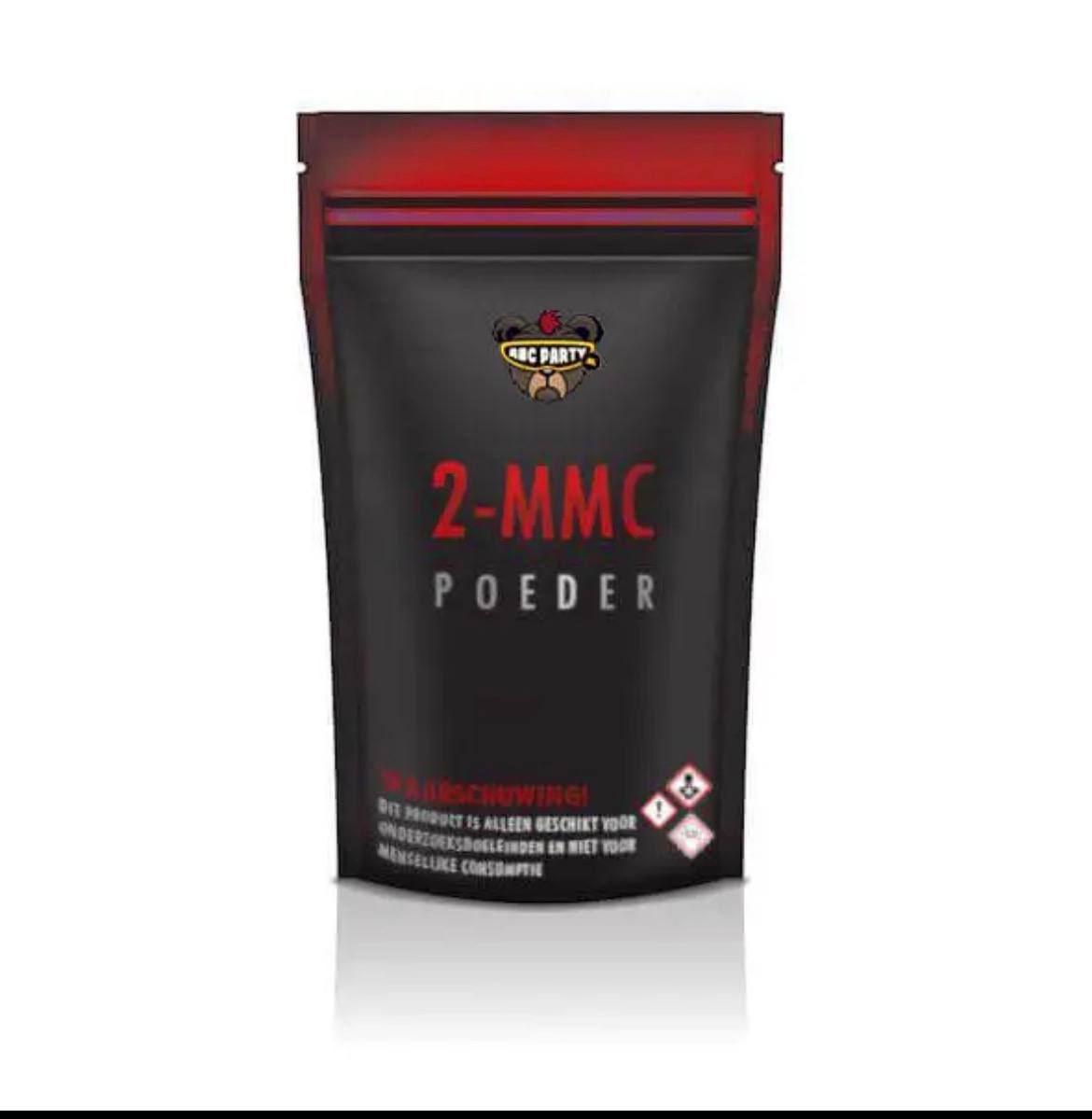
Where to Buy 2MMC Online in Netherlands: Laws, Status & What Researchers Should Know
Searching for information about 2-MMC in the Netherlands can produce conflicting results, particularly when older websites describe the compound as a “legal high” or “research chemical.” The Dutch regulatory landscape has changed, making older information potentially misleading.
From our catalogue, many researchers and consumers also look for painkillers and anxiety or sleep meeedications like Xanax, Soma, Adderall, Percocet, Codein, Valium, M30, Dilaudid etc
2-MMC at a Glance
2-MMC, or 2-methylmethcathinone, belongs to the synthetic cathinone family. It is chemically related to other substituted cathinones and has appeared in the broader market for novel psychoactive substances.
The term “research chemical” describes how a compound may be marketed or categorized by a supplier. It does not automatically establish that the substance is legal in a particular country.
For anyone researching 2-MMC from the Netherlands, the most important question is therefore its current legal classification.
The Dutch Regulatory Change
The Netherlands introduced a major change to its approach to groups of designer drugs in 2025.
According to the Dutch Public Prosecution Service, possession, trade, production, import and export involving 2-MMC became punishable from 1 July 2025 following changes to the Opium Act. (Openbaar Ministerie)
This change is important because information published before July 2025 may no longer accurately describe the legal situation.
Where Does 2-MMC Appear in Dutch Law?
Current Dutch legal materials identify 2-MMC within List IA of the Opium Act. A 2026 Amsterdam District Court decision specifically noted that 2-MMC is listed on List IA. (Rechtspraak)
The Dutch Opium Act establishes prohibitions concerning substances covered by the relevant schedules, including activities such as importing, selling, supplying, transporting, possessing and manufacturing prohibited substances. (Wetten Overheid)
That makes it inappropriate to assume that an online listing is legitimate simply because a website describes 2-MMC as a laboratory or research compound.
Why Older Search Results Can Be Misleading
The online research-chemical market changes quickly.
A page published several years ago might describe a compound as:
• Legal in the Netherlands
• Unscheduled
• A legal alternative
• A new research chemical
• Not covered by Dutch drug legislation
Those statements can become outdated after legislative changes.
This is particularly relevant for 2-MMC because the Dutch authorities explicitly identify the July 2025 change as the point at which the relevant designer-drug group became prohibited. (Openbaar Ministerie)
2-MMC and International Research
Researchers studying synthetic cathinones should distinguish between scientific interest in a compound and its legal availability.
A substance can remain relevant to analytical chemistry, toxicology, forensic science or pharmacological research even when its commercial handling is restricted.
For legitimate laboratory work, researchers should establish whether appropriate authorization, licensing or institutional procedures are required before obtaining or handling a controlled substance.
Health and Analytical Considerations
Synthetic cathinones can have stimulant properties and may affect cardiovascular and neurological systems. The risks associated with an unidentified sample can be particularly difficult to assess because online products may vary in identity, concentration and purity.
From an analytical perspective, reliable identification requires appropriate laboratory methods rather than relying solely on packaging, appearance or a vendor’s product description.
What Should Researchers Check?
Anyone researching 2-MMC in the Netherlands should verify:
1. The current version of the Dutch Opium Act.
2. Whether the intended activity requires authorization.
3. Whether the source of legal information is current.
4. Whether an older article predates the July 2025 regulatory change.
5. Whether the intended work is being conducted through an appropriately authorized laboratory or institution.